
You just bought a batch of 30 web design leads. Your team calls 28 of them in under 24 hours. Then the calendar clears out. Two show up to discovery calls. The rest disappear, and your pipeline report turns red. The leads looked verified. Your team was fast. So why did the deals die?
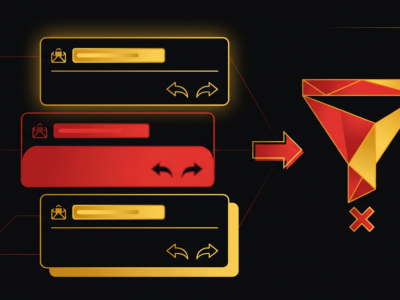
For most agencies, web design leads do not fail in the pitch. They fail in the follow-up. A lead who does not answer one call is not lost. A lead who receives four identical follow-up emails in a week is. This post explains why web design leads stall and the re-engagement sequence that revives the ones that went quiet.
The angle here is recovery. Buying leads solves supply. Follow-up solves the gap between a booked call and a signed retainer.
We will cover the four reasons leads go silent, the speed rule behind most recoveries, and a three-message re-engagement sequence. We will also cover the signals that move a lead to the nurture track and the mistakes that burn leads you could have won back.
The Four Reasons A Lead Goes Silent
Most silent web design leads share one of four root causes. Naming which one applies to a given lead changes everything you do next, so diagnose before you re-engage.
1. Timing collapsed. The lead qualified on intent and budget at the moment of purchase. Then a competitor won a contract, a product launch took over the calendar, or the decision maker left the company. Nothing was wrong with you. The window simply moved.
This lead can come back in 30 to 90 days. The message you send must invite that return without chasing.
2. Wrong messenger. Your first call reached a marketing coordinator or an operations lead. They do not own the web design budget, so the file stalls in their inbox.
The fix is not more email to the same person. Identify who signs off on agency spend and address them directly. That is usually the founder, marketing director, or head of product.
3. Competitor noise. The lead collected three or four proposals in the same week. They compare you on price, and nobody follows up when the conversation turns to your retainer versus a cheaper studio.
If you go quiet after the proposal lands, you are out of the conversation by day ten. One useful follow-up on day five and day twelve keeps you alive while the decision settles.
4. No reason to remember you. A cold call with a generic script leaves no hook. The lead has no reason to reply, and they do not.
The first contact needs a specific, verifiable observation. Their site failed a speed test. Their checkout drops mobile users. Their old redesign is dated.
One concrete detail makes your follow-up easy to engage with. It also makes your team far easier to pull back into the conversation.
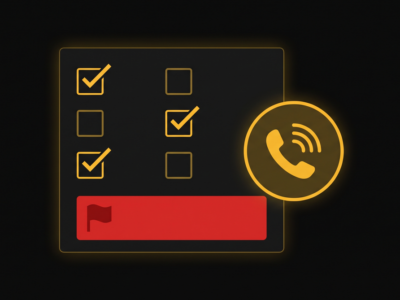
Write the likely cause on every silent lead before you re-engage. A two-column log, lead name and root cause, takes ten minutes per batch and stops you from sending the same recovery message to four different situations.
Speed To First Contact Is Your Biggest Recovery Tool
Every hour a lead sits unanswered, your chance of a recovery drops. The reason is simple. A web design buyer who is actively evaluating studios contacts every agency on their short list in the first day. The vendors who call first shape the comparison. The vendors who call last are one of five names in a spreadsheet.
Speed matters twice in the recovery context. First, your initial contact needs to happen fast enough to beat the other four voices the lead hears. Second, when a lead goes quiet, your re-engagement window is short.
A web design project decision usually settles within 30 days. After that, the project gets shelved and the silence becomes a real loss, not a pause.
1 in 10
The share of silent web design leads that still re-engage when the first contact lands within one business day, versus near zero when the first touch lands after five days.
Build the mechanics to match. New leads should be assigned to a named rep the moment they land. That rep makes the first call, not a shared dialer list.
If the lead does not pick up, the rep fires one follow-up email within two hours that references the call and carries a specific observation about the lead’s site. Then the sequence pauses for 48 hours before the next touch.
The goal is presence without pressure. A fast first touch tells the lead their business is taken seriously and resets the internal clock. A lead that waits five days for the first contact has usually moved to a competitor by the time you speak.
The cost of that delay is real money. A single web design retainer covers the entire cost of a lead batch and then some. When one lead dies of slow contact, the whole batch absorbs the loss.
Measure the time from lead delivery to first contact on every batch. If it runs past one business day, the follow-up system is the bottleneck, not the lead quality.
Fix the internal workflow before you buy another batch. The follow-up mechanics fit into a broader outbound plan. Our guide to outbound sales strategies covers that side of the system.
The Re-Engagement Sequence That Revives Dead Leads
Once a lead has gone silent, chasing with more of the same pitch does not work. You need a sequence that gives them a reason to re-enter the conversation without reopening the exact ask that made them disappear.
The pattern below works across all four root causes. Each message lands in the lead’s inbox, not their phone, and each one carries one fresh angle.
Run all three messages on the same lead. Do not skip to message two if message one does not get a reply.
The gaps between messages matter. Each pause lets the lead process the last touch and lowers the chance they read your next email as pressure.
Message one lands on day seven after the silence. It is a value drop, not a sales ask. Give them something specific they did not ask for. A two-line audit of their current site, a competitor example relevant to their niche, or a single benchmark number. The last sentence invites a reply without demanding one.
Message 1 (Day 7)
Hi [First Name], noticed your site still loads over 4 seconds on mobile. Slows most redesign projects down by a month, and it is an easy fix to start with. Happy to share the two benchmarks we use to know when a rebuild beats a refresh. No call needed, just an email back if it is useful.
Message two lands on day 14. It changes the frame from your original pitch to a business outcome. Stop talking about web design work and start talking about what the new site has to deliver.
That means traffic, retention, or a launch that actually landed. One concrete outcome is enough. The lead should see themselves in the sentence without rereading the proposal.
Message 2 (Day 14)
Hi [First Name], wanted to check in with one number. Sites we rebuild for [their industry] clients typically see checkout completion improve 18 to 30 points in the first 60 days.
If that outcome is still on the roadmap, the next conversation is a 20 minute call. If it has slipped to next quarter, no need to reply, we check back in 30 days.
Message three lands on day 28. It is the clean close. State that the file is moving to the nurture track, offer a door open for the next quarter, and remove the pressure of a reply. Most leads who come back do so because this message made the silence feel finished rather than ignored.
Message 3 (Day 28)
Hi [First Name], I am closing out my follow-ups so I am not the third agency landing in your inbox this quarter.
We still have web design capacity for one more client in [their niche] before we open a slot. If the project restarts, email me the word and I hold the spot. If it does not, one benchmark report lands next quarter and we pick up there.
Track each message as a row in a simple spreadsheet. Lead name, message number, send date, reply status.
When a reply lands, move the lead back to active. When the third message expires, mark the lead nurture. The whole system takes one person two hours per batch of 50 leads, without inflating the cost of the batch.
When To Move A Lead To The Nurture Track
A lead is not dead after message three. It is just done with the sales track. The nurture track is where it lives until the next trigger event lines up. Moving a lead here is a decision you make once, and the trigger for it should be rule-based, not a feeling. Three signals qualify a lead for nurture.
The timing signal. The lead told you, in words or by implication, that the project is not this quarter. Budget reopens in January. The launch got pushed. The decision maker is on leave.
This is the cleanest move. The lead is intact, the ask is intact, the clock just reset. Add the lead to a quarterly check-in list and send one 20 word email when the quarter opens.
The wrong-messenger signal. You have reached the person who cannot approve spend, three times, on two channels. No amount of follow-up changes the audience.
Move the lead to a list you revisit when a new contact surfaces. That means the rep spends ten minutes a month hunting for the actual decision maker on LinkedIn or in the company’s org chart.
The competitor signal. The lead is clearly mid-evaluation with multiple vendors. You have lost the race for the next 30 days, and chasing further spends goodwill you will need later. Move the lead to a 60-day revisit. When you check back, lead with a new outcome, not the old pitch.
The one signal that should not trigger a nurture move is a lead that went silent with no reason attached. No reply at all, no stated delay, no competitor, no wrong person.
Those leads stay in the re-engagement sequence and run through all three messages. Moving them to nurture early is how you turn a recoverable lead into a lost one.
For context on how this compares with buying new lead batches, see the difference between exclusive vs shared web design leads. Nurture recovers a share of what a fresh batch would have cost, and it works on a file you already own.
Comparison: Chasing Every Lead Vs Reviving The Right Ones
The temptation after a quiet month is to double the volume. Buy more web design leads. Chase every file in the CRM until it either closes or expires. That strategy burns your team on the wrong work and starves the right work. Here is how the two approaches compare.
| Dimension | Chase every lead | Revive the right ones |
|---|---|---|
| Team hours per lead | High. Every file gets full attention. | Capped. Nurture files get one touch a quarter. |
| Cost per active lead | Rises. Follow-up labor is the hidden line item. | Holds flat. You are working a file you already bought. |
| Recovery rate on silent leads | Low. Sprinkled touches leave no pattern the lead feels. | High. A named sequence with named dates does the work. |
| Lead experience | Repeated identical emails. Reads as spam by week two. | One fresh angle per touch. Reads as useful by day 14. |
| Where it wins | High-intent fresh batches only. | Every silent lead, every batch, every quarter. |
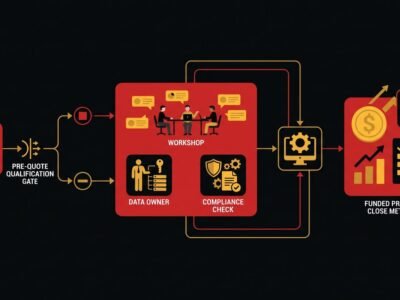
The hybrid is what most web design agencies run. Fresh batches get the full chase on days one through five. Silent leads move to the three-message revival sequence on days seven, fourteen, and twenty eight.
Anything that survives all three goes to nurture with a quarterly date. No lead gets abandoned on day four. No lead gets a fourth identical email on day fifteen. That rhythm is the whole system.
The payoff shows up in your cost per close. A recovered lead cost you the same as the lead that closed on first contact. It did not need a second purchase.
The agency that runs this hybrid consistently recovers 15 to 25 percent of the leads that would otherwise burn the batch. That is a meaningful share of the cost of the next order. See how the broader sourcing side of this works on our web design leads page.
Common Follow-Up Mistakes That Make It Worse
Bad follow-up does not just fail. It actively damages the chance of recovery. The same lead that could have re-engaged in 30 days becomes a lead you cannot call back for a year. Six mistakes account for most of the damage.
- Sending the same pitch email three times in a week. Reads as broken automation, and the lead archives the sender.
- Calling from a number that is not the one on your first touch. The lead has no context and no reason to pick up.
- Re-engaging only when the lead’s site changes. You are following your own curiosity, not the lead’s clock.
- Blaming lead quality after three messages. Most silent leads were real buyers at the moment of purchase. The failure was in the follow-up.
- Skipping the clean close. If the lead did not hear from you on day 28, they assume you still want a call. The next batch of new leads inherits that open thread.
- No log. Without a spreadsheet of who got which message on which day, the next rep starts over and the lead receives duplicate pitches.
Each of these is cheap to fix. One named rep per lead. One shared spreadsheet per batch. One rule that no follow-up message repeats a line from the previous one. The cost of the system is two hours of setup per month. The cost of not running it is a whole batch of web design leads that never recover.
FAQ
How long before a silent web design lead is actually lost?
Thirty days is the practical line. Web design project decisions settle inside that window.
A lead who has not replied in 30 days has usually moved the decision to a competitor or shelved the project. Re-engaging on day 30 to 45 still recovers a share of leads. Past day 60, the recovery rate drops to near zero without a new trigger event.
How many follow-up messages is too many?
Four identical messages in a week is too many. Three different messages spaced across 28 days is the working pattern for most web design agencies.
The rule is not a count. It is one new angle per touch. If your second message repeats your first, the lead hears spam. If it carries a fresh benchmark or outcome, there is a reason to open it.
Should I re-engage leads from every lead source the same way?
No. The recovery sequence fits web design leads and other B2B agency leads well, because the buying cycle is shared. Referrals recover on a different clock, usually shorter. Inbound leads that requested information recover on a content rhythm, not a sales rhythm. Match the follow-up to how the lead entered the pipeline, not to a single global rule.
Do recovered leads close at the same rate as fresh ones?
Close to it, usually a little lower. A fresh lead is at the top of its evaluation. A recovered lead is past that peak and re-enters with less urgency.
A retainer that would have closed in three weeks on a fresh lead often takes five on a recovered one. The math still works, because you did not buy a second lead.
When does it make more sense to buy new leads instead of reviving old ones?
When your silent file is thin and your batch budget is not.
A batch of 30 fresh web design leads with a working follow-up system recovers more total clients than a thin file of old leads. If you have 200 or more silent leads, the recovery path wins on cost.
If you have 40, buying a new batch and running both through the same sequence is the faster route.
Do I need a CRM to run this sequence?
No. A shared spreadsheet with lead name, source, first contact date, message one date, and status covers the system for a single rep.
You outgrow it around 300 active files, which is when a lightweight CRM pays for itself. Until then, the spreadsheet is enough. The discipline matters more than the tool.
Win Back The Leads That Already Stopped Responding
Your web design leads are not all dead. Most are sitting in a file with a root cause you have not diagnosed, a messenger you have not reached, or a message sequence you have not run.
The agencies that recover the most pipeline are not the ones buying the most lead batches. They are the ones running a named sequence on every silent file and closing with a clean day 28 touch.
If your follow-up is stuck, audit one batch of recent web design leads against the four root causes and the three-message sequence above.
Then run the sequence on the top 20 silent leads before your next purchase. You will close more of the leads you already own than the new batch adds on its own.
Want a recovery plan for your next batch?
Tell us how many web design leads you bought this quarter and how many still have not replied. We will map your files to the four root causes and build the three-message sequence around your niche, so the next batch closes on the recovery path instead of dying on day four.
The agencies that close the most web design clients are not the ones that buy the most leads. They are the ones that buy a batch, follow up fast, run a clean three-message revival on the silent half, and never send a fourth identical email.
When you are ready to source the next batch with the follow-up system in place, start with our digital marketing leads guide.