Video Production Lead Generation for Agencies: Finding Clients Who Need Video Content
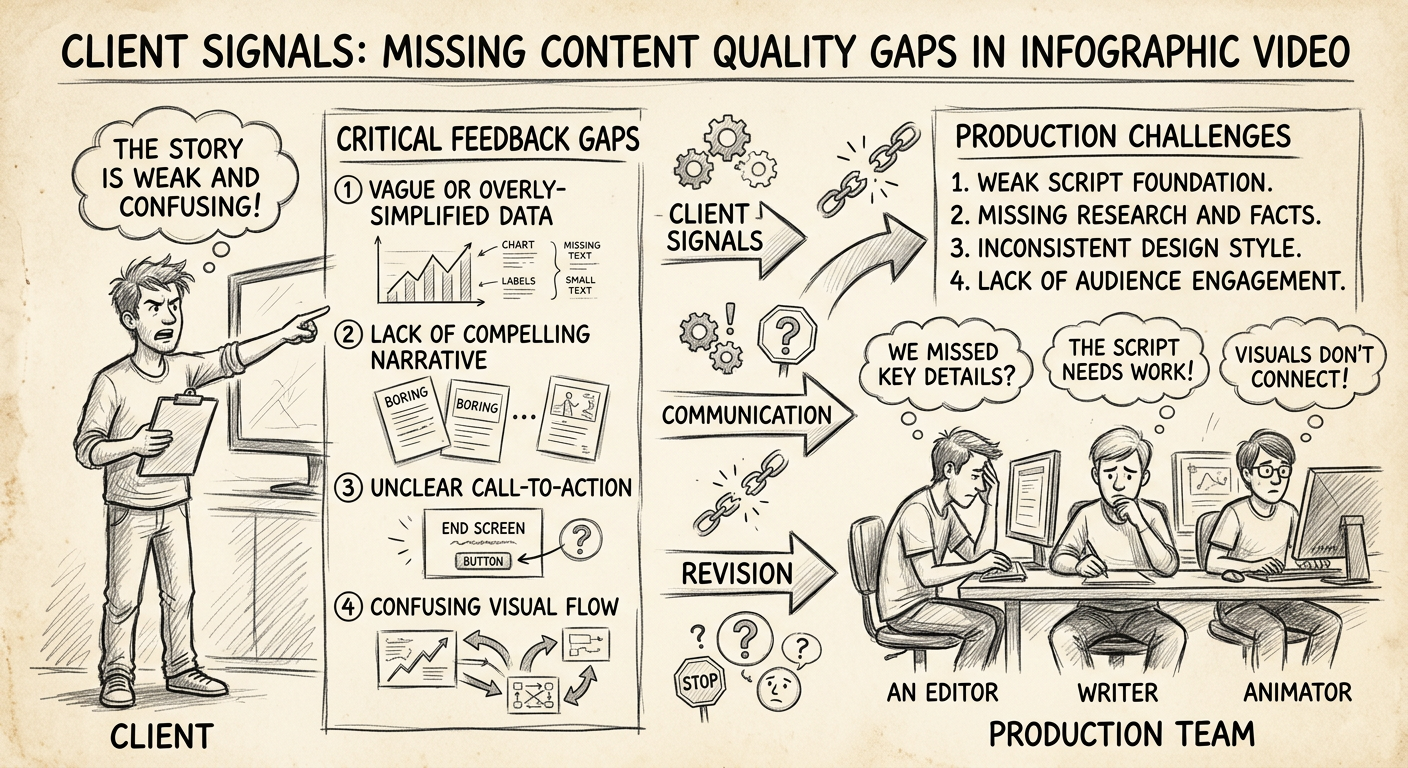
Video production agencies face a lead generation challenge that is different from every other agency vertical. The service they sell is creative and technical at the same time. The buyer needs to trust the agency’s creative judgment and their technical capability. The purchase decision is usually made by a marketing director or brand manager who has a vague idea of what they want but cannot evaluate the quality of the final product until they see it. That creates a trust gap that most video production agencies do not know how to bridge.
The agencies that fill their pipeline with video production clients consistently do not compete on the channels their prospects are already using. They identify businesses that are already showing evidence of needing video content, and they reach those businesses with a message that demonstrates they understand the specific creative and technical gap. That message lands because it is based on observable evidence, not a generic pitch about video production services.
This guide covers the specific signals that indicate a business needs video production help, where to find those businesses at scale, the outreach approach that gets responses from marketing directors and brand managers, and the qualification framework that ensures you are talking to companies with both the project and the budget to fund it.
Why Video Production Agencies Struggle With Lead Generation
Learn more about Lead Generation for Agencies.
Learn more about Lead Generation for Agencies.
Video production agencies struggle with lead generation for one consistent reason. The buyers who need video production help are often evaluating the agency based on criteria they cannot fully assess before hiring. They look at a showreel, but they do not know if the agency can produce the specific type of video their business needs. They read testimonials, but they do not know if the agency can deliver on a tight deadline or a limited budget. The result is indecision. The business needs video content. They have the budget. But they are afraid of hiring the wrong agency.
The second reason is the project-based nature of the business. Most video production work is project-based, not retainer-based. A business hires a video production agency for a specific video, pays for that video, and then the relationship ends. The agency is constantly looking for new projects, and the pipeline is unpredictable. The businesses that build consistent pipelines do not rely on one-off projects. They build relationships with marketing directors who have ongoing video needs, and they position themselves as a long-term creative partner rather than a one-time vendor.
The third reason is timing. A business does not wake up and decide to hire a video production agency because they think video would be nice. Something triggers that decision. Their competitor released a video that went viral in their niche. Their website conversion rate dropped after they removed their homepage video. Their sales team started asking for video content to use in outreach. The agencies that reach the prospect at the moment of that trigger convert at five to ten times the rate of agencies that reach them during the research phase.
The Signals That Mean a Business Needs Video Production Help
Learn more about B2B Lead Generation Strategies.

Learn more about B2B Lead Generation Strategies.
Their Website Has No Video or Only Outdated Video
A business with no video on their website or a video that is more than two years old is signaling that they have not invested in video content. That signal is more meaningful than it appears. Video on a website increases conversion rates, reduces bounce rates, and improves time on page. A business without video is losing all of those benefits.
You can identify businesses without video by visiting their website and checking for a homepage video, product videos, testimonial videos, or explainer videos. If the site has none, the business is either new to video or has decided not to invest. Both situations are opportunities. A new business that has never tried video is easier to convince because they have no existing process to change. A business that removed an old video is easier to convince because they have already seen the value and know what good video looks like.
Their Social Media Video Content Is Low Quality
A business with low-quality video content on social media has a production quality problem. The videos are shot on a phone without stabilization, the audio is poor, the lighting is inconsistent, and the editing is amateur. Low-quality video hurts the brand perception and reduces engagement. The business may not realize the extent of the damage because they compare their video to other businesses in their industry, many of which also have low-quality video.
You can identify low-quality video by reviewing a business’s recent social media posts. If the videos have poor audio, shaky camera work, inconsistent branding, or no clear message, they are underperforming. That is a warm lead because the business has already committed to video content. They just need help improving the quality. That is a much easier conversation than convincing a business that has never published video to start.
Their Competitors Are Using Video to Drive Engagement
Competitive displacement is one of the strongest buying signals in video production. When a business watches their competitor’s video and sees higher engagement, more shares, and more comments, they feel the pressure. The competitor is building a relationship with the audience through video, and the business is not.
You can identify these prospects by monitoring the video content of businesses in your target industries. When you see a company consistently outclassed by competitors on video engagement, you have found a warm lead. The outreach message is straightforward: “Your competitor released three videos this month that got 5,000 views each. You have not posted a video in six months. Here is the gap and how to close it.”
Their Sales Team Requests Video Content
A business whose sales team requests video content is signaling that video would help them close deals. Sales teams ask for video content when they see competitors using video in their sales process, when prospects ask for video case studies, or when they realize that a 60-second video communicates more than a 10-page proposal. That request is a warm lead because it comes from the team that understands what the buyer needs.
You can identify these prospects by monitoring sales team communications on LinkedIn, in job postings, and in company reviews. When a sales team asks for video content, the person making the request is usually not the person who controls the video production budget. The outreach should target the marketing director or brand manager who does control that budget, and the message should reference the sales team’s request as the trigger for the conversation.
They Recently Launched a New Product or Service
A business that recently launched a new product or service needs video content to support the launch. Product videos, demo videos, testimonial videos, and explainer videos all help a new product gain traction. The business knows this, but they may not have the internal capability to produce the video quickly and at the quality they need.
Recent product launches are a warm lead because the timing is right. The business has a deadline, a budget, and a clear need. The outreach message is straightforward: “I saw your product launch last week. You need a demo video, a product walkthrough, and customer testimonials to support the launch. Here is how to produce them in two weeks.”
Where to Find Video Production Clients
Learn more about How to Find Leads for Web Design.
Learn more about How to Find Leads for Web Design.
Businesses With High Advertising Spend but No Video Content
A business with high advertising spend and no video content is investing in channels that could perform better with video. Google Ads, Facebook Ads, and LinkedIn Ads all perform better with video creative. A business running static image ads is leaving performance on the table. The result is higher cost per click, lower conversion rates, and wasted budget.
You can identify these businesses by monitoring their ad activity through ad libraries and spy tools. When you see a business running significant ad spend with only static image creative, you have found a warm lead. The outreach message is: “You are spending $15,000 per month on Facebook Ads with static images. Your competitors are using video and getting 3x the engagement. Here is how to close that gap.”
SaaS Companies That Need Product Demo Videos
SaaS companies need product demo videos to explain their product, demonstrate the value, and reduce the friction of the signup process. A SaaS company without a product demo video is asking visitors to understand a complex product from a static homepage. That is a conversion killer.
You can identify SaaS companies without demo videos by visiting their homepage and checking for a product demo, explainer video, or walkthrough. If the homepage has no video and the product requires explanation, the business needs video content. That is a warm lead because the business has already invested in product development and needs help communicating the value.
E-Commerce Brands That Need Product and Brand Videos
E-commerce brands need product videos to show the product in use, build trust, and reduce return rates. A product video increases conversion rates by 30 to 80 percent compared to a product page with only images. An e-commerce brand without product videos is leaving that conversion lift on the table.
You can identify these prospects by visiting their product pages and checking for video content. If the product page has only images, the business needs video. That is a warm lead because the business is already generating sales and can measure the impact of adding video.
The Outreach Approach for Video Production Leads
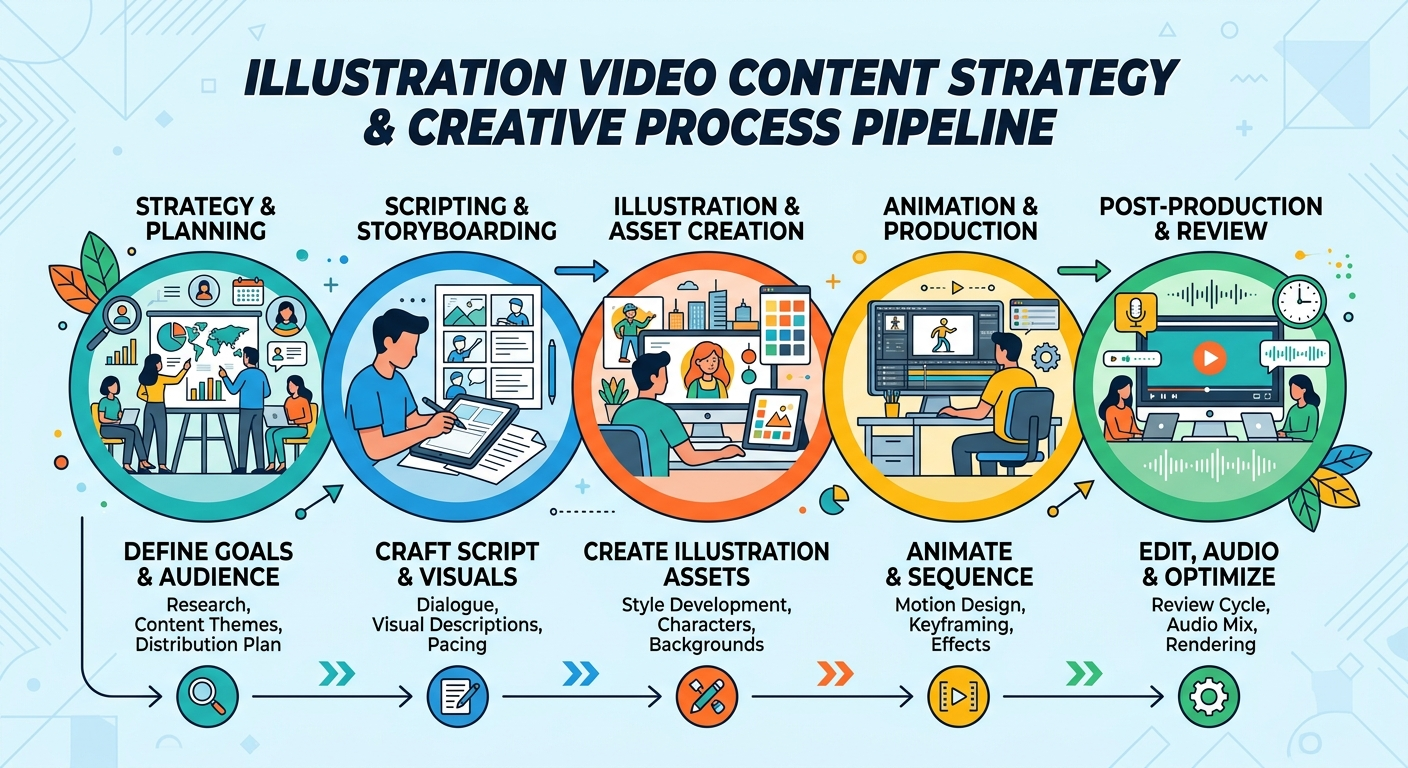
Lead With a Specific Observation About Their Video
The most effective outreach message for video production leads references a specific observation about the business’s current video content. “I looked at your Instagram and your last video was posted six months ago. Your competitor posts weekly and gets 10 times your engagement.” That message is useful immediately. It gives the prospect actionable information, whether or not they hire you.
Specific observations work because they prove you did research. They also prove that your outreach is not a template. When a marketing director receives an email that references their actual video content, they read past the first sentence. That is more than most agency outreach achieves.
Show the Business Impact
Video production is an investment, and businesses want to know the return. Frame your outreach around the business outcome, not the video deliverable. “Based on your current website traffic and conversion rate, adding a homepage video could generate approximately 50 additional conversions per month.” Numbers make the case. Statements about “brand awareness” do not.
Offer a Free Video Content Audit
A free video content audit is the most effective first touch for video production leads. The audit reviews their current video content, identifies gaps, benchmarks against competitors, and provides three to five specific recommendations with projected impact. When you deliver value before asking for anything, you position yourself as an expert who has already started helping. That is a much stronger starting position than a proposal for video production services.
How to Qualify Video Production Leads
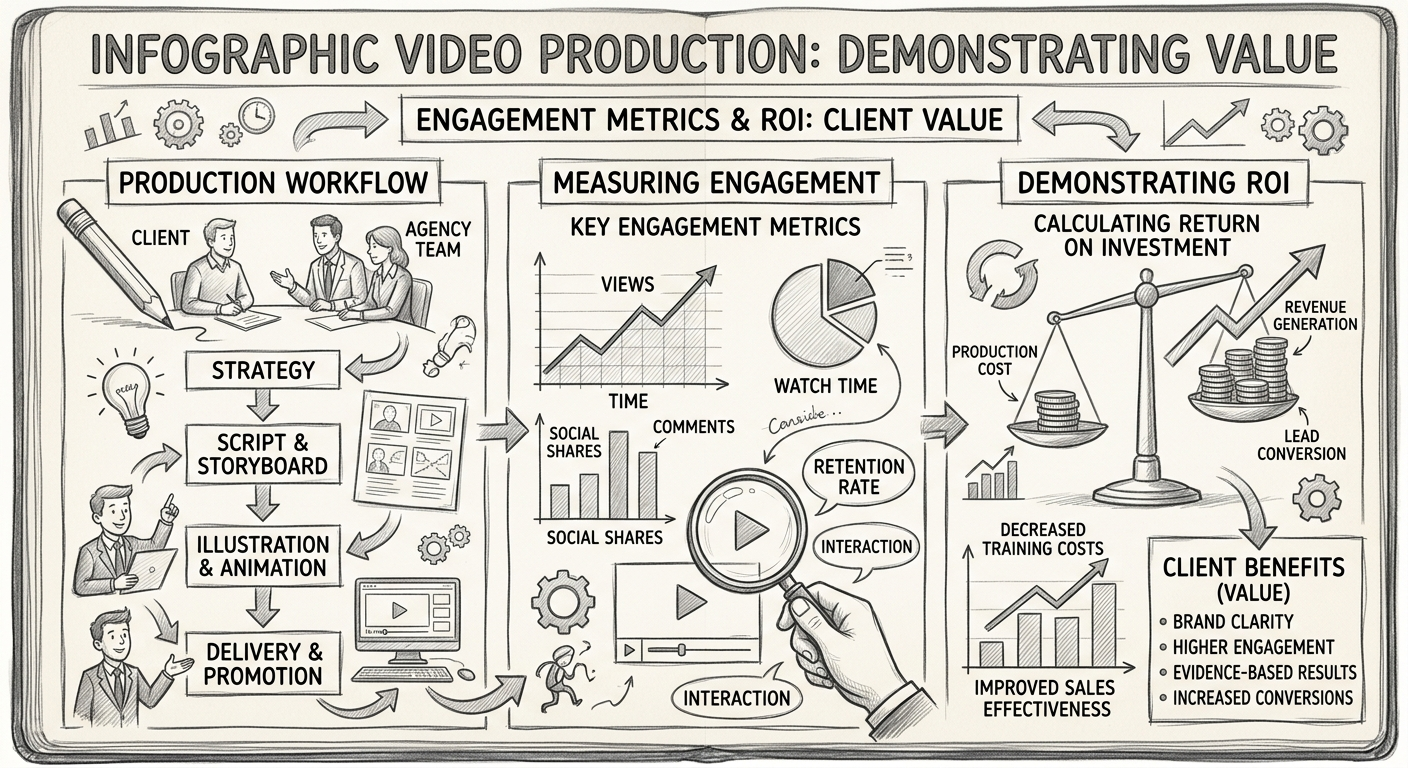
Video Budget Alignment
Video production projects typically range from $2,000 for a simple social media video to $50,000 or more for a full brand campaign. A business that cannot allocate that budget is not a real lead. Ask about video marketing budget early. If they do not have one, they are not ready. Move on.
Project Scope and Timeline
Video production projects vary significantly in scope. A 60-second social media video is a different engagement than a full brand campaign with multiple videos, a launch timeline, and distribution requirements. Qualify for project scope and timeline early. The businesses with clear project requirements and realistic timelines are the ones that will convert.
Decision-Maker Access
Video production budget decisions are usually made by marketing directors, brand managers, or founders. The person requesting the video (a marketing coordinator or content manager) is rarely the person who controls the budget. Make sure you are reaching the person who can approve the engagement.
Comparing Video Production Lead Sources
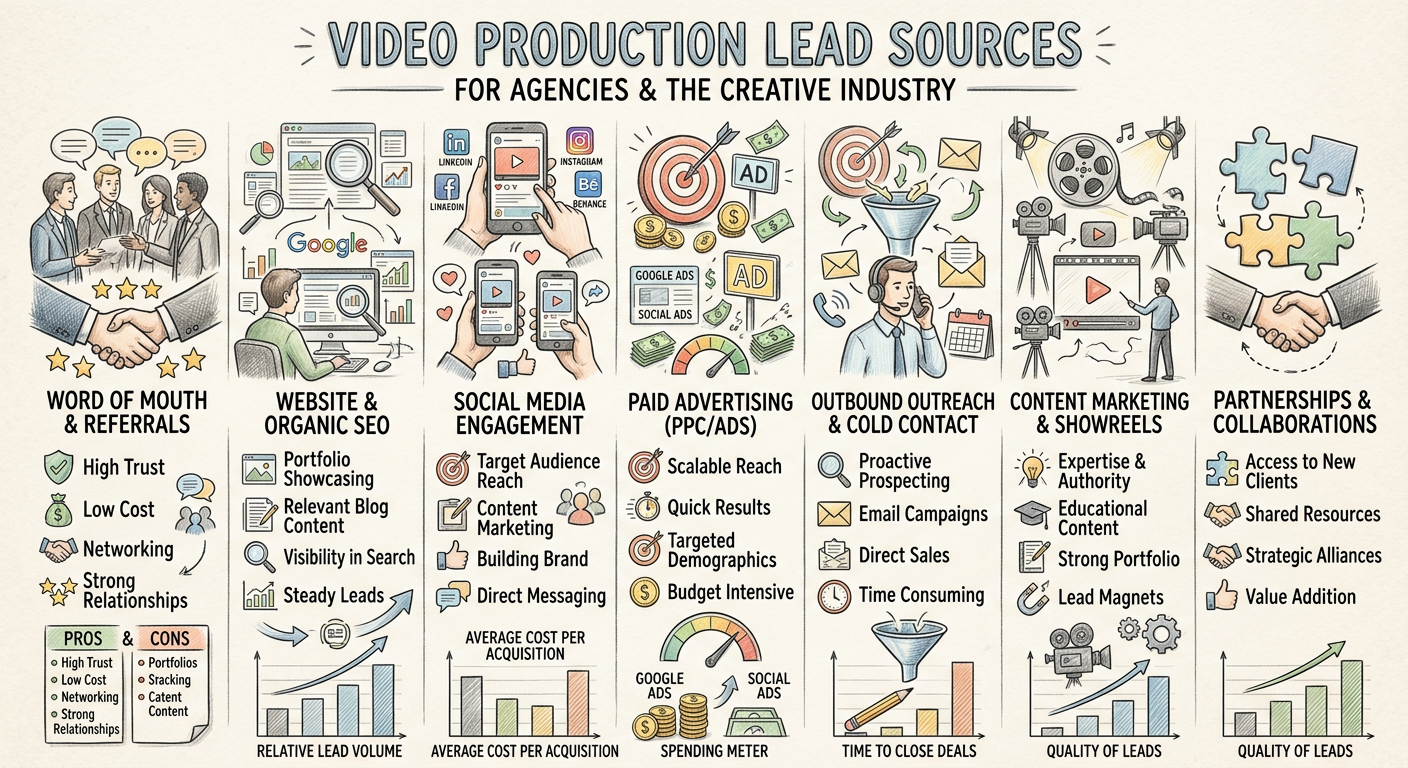
Inbound From Your Own Video Content
Running a video production agency and not publishing video content is a missed opportunity. Your own showreel, behind-the-scenes content, and educational videos attract inbound leads who are researching video production services. These leads are usually well-qualified because they are actively evaluating the service you sell.
The downside is that video content takes time to produce and build an audience. You need consistent publishing for six to twelve months before inbound becomes reliable. But the leads you get from your own video content are the highest-converting leads in the market because they have already consumed your expertise and chosen to reach out.
Referrals From Existing Clients
Existing video production clients who have seen results are your strongest source of new leads. A client whose video generated 50,000 views and 200 leads will refer other marketing directors in their network. That referral carries the credibility of results, which is more powerful than any pitch.
Buying Verified Video Production Leads
Buying video production leads from a signal-based provider gives you immediate access to businesses with video content gaps that need filling. The leads come with context: what type of video they need, what their current video content looks like, and why the gap is costing them engagement or conversions. That context lets you write outreach that is useful from the first sentence.
Signal-based video production leads convert at higher rates than generic business contact lists because the prospect has already demonstrated the behavior that precedes a video production decision. A business that has been posting on social media consistently but without video is already in the market for help. You are reaching them at the right time.
FAQ
How do I find video production clients that are ready to hire?
Look for businesses with no video on their website, low-quality social media video, competitors dominating their niche with video, and recent product launches that need video support. Those signals indicate companies that have already decided video matters and need help executing.
What is the best outreach message for video production leads?
Reference a specific gap in their video content: a missing homepage video, an outdated product video, or a competitor that is outperforming them with video. Offer a free video content audit that shows them exactly what is missing and what it is costing them. Lead with value, not a pitch.
How many video production leads do I need per month?
Ten to twenty qualified leads per month will sustain a video production agency. Video production deals have moderate sales cycles and variable deal sizes, so pipeline consistency is more important than high volume.
Should I buy video production leads or build my own pipeline?
Buying leads gives you immediate access to businesses with video content gaps that need filling. Building your own pipeline through content and referrals takes three to six months. Buy leads for immediate pipeline while building organic channels for long-term compounding.
What makes a video production lead high quality?
A high-quality video production lead has a clear video project in mind, a budget for video production, a decision-maker who can approve the engagement, and a timeline for production. If three or more of these criteria are met, the lead is worth investing time in.
—
Video production agencies that find clients through signals instead of cold outreach build pipelines that are faster, more consistent, and higher value. The businesses that need your help are already posting on social media, already watching competitors with better video, and already losing conversions because their website has no video. You just need to reach them with a message that shows you see the gap and know how to close it. That is where the best video production agencies win.